Categories
Musings

It never rains but it pours

I was at an IoD event the other night celebrating the award of two distinguished fellowships. As I networked people naturally asked what I do and I answer relatively simply – risk and insurance The conversation turns very quickly to the affects to the storm in Auckland and the subsequent cyclone damage along the east coast.

As we discussed various aspects of public policy, the damage itself and whether and how recovery would occur there appeared to be something that we weren’t talking about. As I reflected on the conversations there isn’t appear to be a common language around the risks that businesses and people are exposed to.

Sow while there will be great work done to rebuild communities and peoples lives there should be work undertaken to establish, using a common language and framework, what risks are people and businesses exposed to. If we have a sense what might happen we can have a reasoned debate about what we can do about it.

At this point we should probably clarify what a risk is. While there are numerous definitions my preferred approach is to consider a risk as three distinct questions

  1. what are we exposed to/what could happen?
  2. what could trigger that exposure and
  3. what would the consequences be

Consequences (impacts) can arise from a number of different perspectives. They can be financial, physical, emotional, or combinations of all three. Once you know the consequences then the debate can move on to what you can do about them. Broadly the options come down to

a) Accept the risk itself

b) mitigate the risk – do something that reduces any one of the three risk descriptions. Can you mitigate (reduce or eliminate) the exposure or can you reduce the trigger and if neither of these can you reduce the consequences.

c) avoid the risk – is there some way of making the risk go away

d) transfer the consequences to others – this is often through insurance but can involve other approaches.

These types of risk assessment processes are often run to give the Directors and leadership a clear sense of what could impact the performance and sustainability of the business. And it presents the Directors and managers with a range of options and actions that they can take. They are top down, individual and often treated, quite correctly, as a confidential competitive lever.

However his type of assessment is rarely undertaken by households or small businesses. imagines however if every household in New Zealand had undertaken a process like this? Many would have identified flood as a major exposure and when individuals information is aggregated at a community or regional level there would, perhaps, have been much greater insight on the risks that people and small businesses are exposed to. The sort of insight that helps councils and planners reduce or eliminate some of the risks. Perhaps the exposure to the waste left from logging work would have been identified earlier allowing some of this risk to be reduced or eliminated. Just imagine the clarity and empowerment a shared understanding of risk exposure could create when driven from the bottom up.

On the subject of the left over logging remains I was surprised by a comment made that the waste wasn’t removed because this would have made the logging business uneconomic. That is perhaps understandable as a comment about the logging industry itself but takes no account of the consequences that can rise from waste being pushed down by torrential rain and storms. Consequences are often (not exclusively) financial and for those households, bridges and communities impacted by the damage caused by the waste the impacts are substantial. Considering risk from the perspective of not just the logging companies economics but also from the perspective of the exposure to wider community is an important next step if we are to correctly assess and understand risk.

I’d welcome your feedback
Categories
Musings

Maybe it could have been different

How do you say goodbye to someone 85 years old who’s living on his own having lost his wife of 60 years not 18 months before. Who knows.

And whether the quick hug at the door and a goodbye with the promise to keep in touch want the best. But it was all I could manage and probably all he wanted. Although that could be just me.

And now 13000k apart I probably speak to him more than I’ve done over the years but still we keep it high level; neither of us going to go to the places we know are there but can’t yet see the way in. And why should we? It’s painful from my side and probably the same in his but for very different reasons.

I guess it was a proper goodbye. Distance that existed between us for ever matched by a physical distance that is about as far as you can get.

Categories
Musings

Winning and keeping delegated insurance capacity

Brief blog post today and about my favorite subject, Insurance – sorry to all those people reaching for the unfollow button.

So apart from a strong stomach what else does it take to work with insurers? How do you get the best out of them if you’re running a Managing General Agent or some other delegated authority arrangement?

By way of help and advice I contributed to some work being undertaken by Evermore Digital. The blog link os below. It’s worth a quick read but feel free to make contact if you need any more advice or support.

https://www.evermoredigital.com/post/winning-retaining-insurer-capacity

It’s tough in the UK market (amongst others) at the moment with insurers again recognizing that profits on underwriting are important. This is driving prices up, capacity down and a focus on core coverages. It’s bad enough for intermediaries but a B nightmare for customers. And at the same time as the industry has been found wanting on Bi coverages from Covid losses. So making sure you get snd keep high quality capacity is critical for any Delegated Authority holders or MGAs.

Categories
Change Leadership Musings

Build Back Better? Try the M25 first

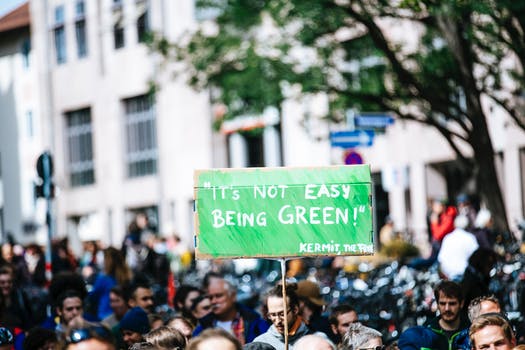
Photo by Alex Knight on Pexels.com

I was sitting in the traffic on the M25 yesterday staring at 2 miles of red taillights when I was overjoyed (?) to hear a government minister tell me how much he was keen to build back better following Covid 2019. Another case of the video not matching the audio which is becoming a common problem at the moment across the UK. A lot of talk about building back better but little real activity as the country heads back towards some form of norma.

It feels like we are about to miss an opportunity that only comes once (if at all in a generation). We have the opportunity to change the direction we have bene heading and do more to bring in the environment and the disconnected into the decision making processes.

But amongst business and government leaders across the world there is a looming decision that many have yet to take. Are leaders willing and able to change what they do and how the inspire the change we need? Are Leaders going to Lead?

And it is going to depend on what lessons you have taken away from the Covid crisis. Do you see it as an interruption to your sense of direction or do you see it as imbuing you with a new sense of purpose driven by the change that you and millions of others have been forced to go through over the past 6 months. Is everything going to return to the way that it was with a few tweaks around the edges (face masks and less office space for example) or will business and individuals begin to think differently and to really mean it when they say they want to build back better.

Photo by Alexas Fotos on Pexels.com

Building back better requires a lot of change and change is hard. Change requires a loss of control, it requires anger, pain and acceptance, a grieving for the old and a realisation that the new is possible and that it will be better. It requires significant effort. And the starting point, the loss of control (or the loss of existing norms, processes, relationships etc) is usually the most difficult thing to accomplish. And the bigger the change desired, the more people effected, the more complex the change being sought all leads to a greater desire for the status quo. It is for this reason that the term ‘create a burning platform’ is used so much in business to encourage people to let go of tradition.

So you can imagine how hard it is to change a country. It is hugely complex with vast numbers of people desperately clinging to the past and in many cases for very good reasons – the past works. Freeing up people to look to a new future is really hard. Which is why Covid 19 provides an opportunity that we should not waste.

Covid 19 forced the whole country to let go of the past almost overnight. Something that has probably not happened since the outbreak of the second world war. We have been through the toughest part of the change process already.

As we all adapted to Lockdown in the UK people began to enjoy the silence of less cars and planes, the ability to ride a bike and spend time with family, balancing work with personal life more effectively than they have been able to before. All the while a number of businesses maintained or improved their productivity and at least retained their levels of customer service. Do we really want to go back to the old ways

I am acutely aware that this has been a very tough time for a lot of people who are worried about their future and what and where they will be in a months time, let alone across the timelines required to build back better. But going back to the way we used to be with less in jobs and with a rapid growth in digitisation, automation and robotics coming (companies will be running quickly to automate so as to be less reliant on people who get sick) isn’t going to help these disconnected people either. Maybe creating role in sustainable enterprises that protect and enhance the environment or local communities might actually be a better idea?

I don’t want to think about all the effort people went through changing overnight to cope with the challenges of Covid 19 going to waste. That would be wrong and I want to lead in a different direction? And I hope to be trusted to do so

So will other leaders lead?

Categories
Musings

The Insurance Coffee House

For anyone that has any connection with insurance you’ll probably know already that the original insurance markets started in the Lloyds Coffee House where people sat next to each other and agreed to add their names one under another to prove insurance for ships travelling the world – hence the insurance term ‘underwriter.’

Well the coffee house ashy developed a little since then and while underwriting at Lloyds still shares some similarities with its predecessor fortunately the Insurance Coffee House has taken the future by the scruff of the next and launched a podcast. The first edition is out now and I hope you enjoy listening as much as I did in making it.

Feedback always welcome

There is an Apple version as well as below – sorry couldn’t seem embed this one

https://podcasts.apple.com/gb/podcast/adopting-how-can-i-help-culture-adrian-sweeney-chief/id1518396805?i=1000483120111

Categories
Communication Leadership People trust

Black Lives Matter

Like many people I watched the video of the killing of George Floyd with a quiet disbelief. That someone can kneel on the neck of a fellow human being and think that is acceptable I find shocking. . What is more shocking is that the racism that led to Mr Floyd’s death goes on under my nose and across the world and I barely notice; I am privileged that society over the years has favoured both men and people with white skins.

As a strong advocate of Diversity and Inclusion at work and as the chair of our D&I council progress has been made particularly in the relationship between men and women but its clear we and I have a lot more to do.

But I do see a lot of comment about all lives mattering. And I thought I’d share the following as I think this gives a really simple explanation of why Black Lives Matter.

There is so much to be done but I am going to play my part and make a difference if I can.

Categories
Musings

Football but weird

Ok I know this is not the biggest new story to be floating around the ether at the moment but I was looking forward to the resumption of football in the UK this week. Like so many things in the UK at the moment we are behind others who have already started playing again but we have got there eventually.

Oh but where did we end up – games that look like they are being played in a pre season environment with no crowds. I know that we can’t have crowds (I get it) but football without crowds is like watching paint dry. Even being able to watch some football on the BBC didn’t make it any better.

And so if I could chose the colour I’d watch paint dry every time.

Photo by Pixabay on Pexels.com

So I give you a choice. Football or paint drying?

Photo by Pixabay on Pexels.com

After one week – it’s the paint drying. Maybe next week I’ll change my mind

Categories
Uncategorized

Doing my bit for Pride 2020

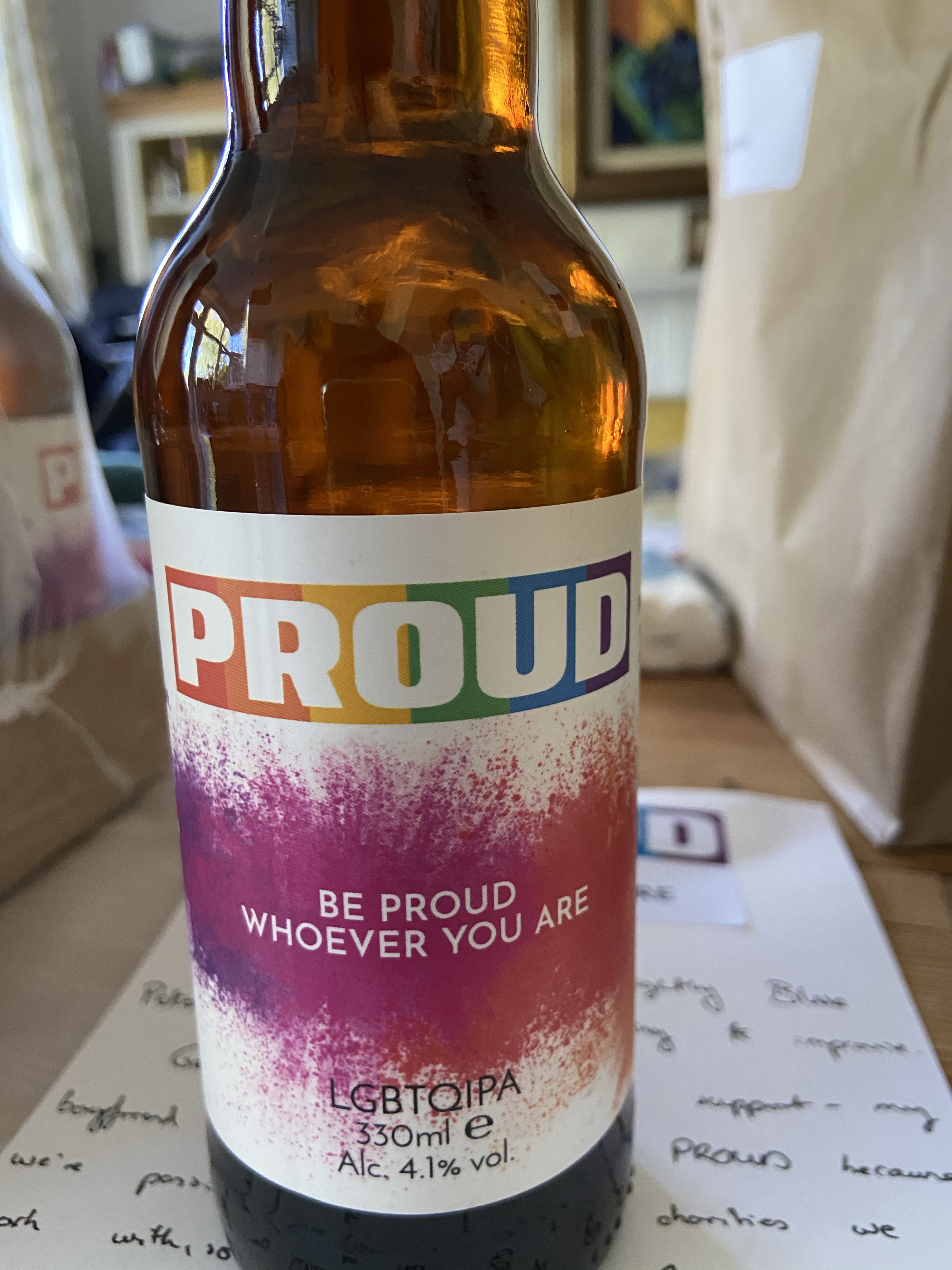
It’s a shame that the lockdown has got in the way of this years Pride festivals across the UK. But I am doing my bit by staying in and drinking beer. @proud beer is a great beer with a great idea. Every bottle sold includes a contribution to a number of LGTB+ causes.

Drink Proud. Be who you are.

Categories
Business Risk Technology Uncategorized

Time Entanglement Raises Quantum Mysteries | Quanta Magazine

Bizarre quantum bonds connect distinct moments in time, suggesting that quantum links — not space-time — constitute the fundamental structure of the universe.
— Read on www.quantamagazine.org/time-entanglement-raises-quantum-mysteries-20160119/

Wow this is weird.

Categories
Business Change Communication Customers Leadership People Technology

Who will see the most benefits from AI?

pexels-photo-595804.jpeg

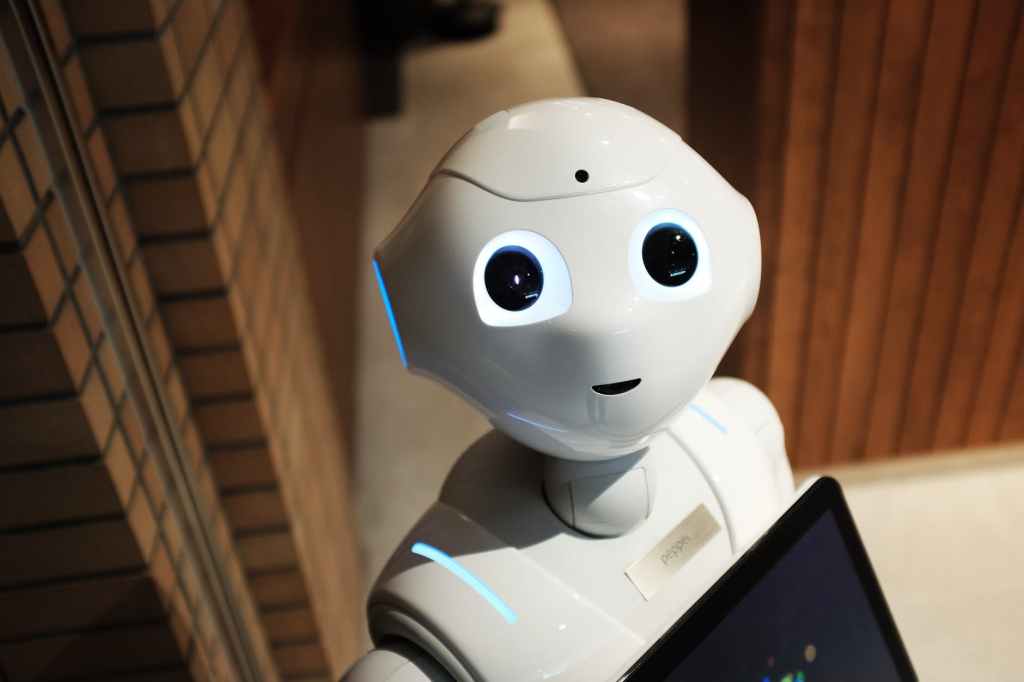
A recent report from PWC titled ‘Will robots steal our jobs’ summarised a number of investigations into the potential impact on jobs as a result of the rapid development and implementation of Artificial Intelligence (AI, which in this context includes robotics and machine learning.) The report indicated that up to 30% of insurance and financial services roles could be impacted although exact numbers remain not surprisingly, elusive. Let me repeat that, up to 1/3rd of all roles in the insurance industry might cease to exist or have to change in a significant way.

That’s a pretty astonishing estimate. With some significant impacts.

Companies are going to undergo major transformations; changing what they do, how they create value, and how they deal with customers. And perhaps, the biggest impact will be on employees; how will they deal with this transformation?

Board Notes New Zealand - Risk, AI, Sustainability

Insight for board directors and C Suite Executives

What Ever Next

The business world has so many opportunities to reshape itself and drive better outcomes - we are only scratching at the surface of the change agenda and all the possibilities open to us. What ever happens next must embrace how we all work better together, how we are organised, the things we do and the many tools we use to make the change. Let’s make good things happen

Organic Gardening Advice

Grow Better Food, Naturally

The Renegade Press

Tales from the mouth of a wolf

Little Fears

Tales of humour, whimsy and courgettes

Steve Rose, PhD

Gain Long-term Freedom From Addiction

Seeking Delphi™

The Future Lives Here

WordPress.com News

The latest news on WordPress.com and the WordPress community.